

A Comprehensive Report on Digital and Financial Literacy Training for Women Entrepreneurs in Ubetim Village, Akwa Ibom State, Nigeria
1.0 Executive Summary
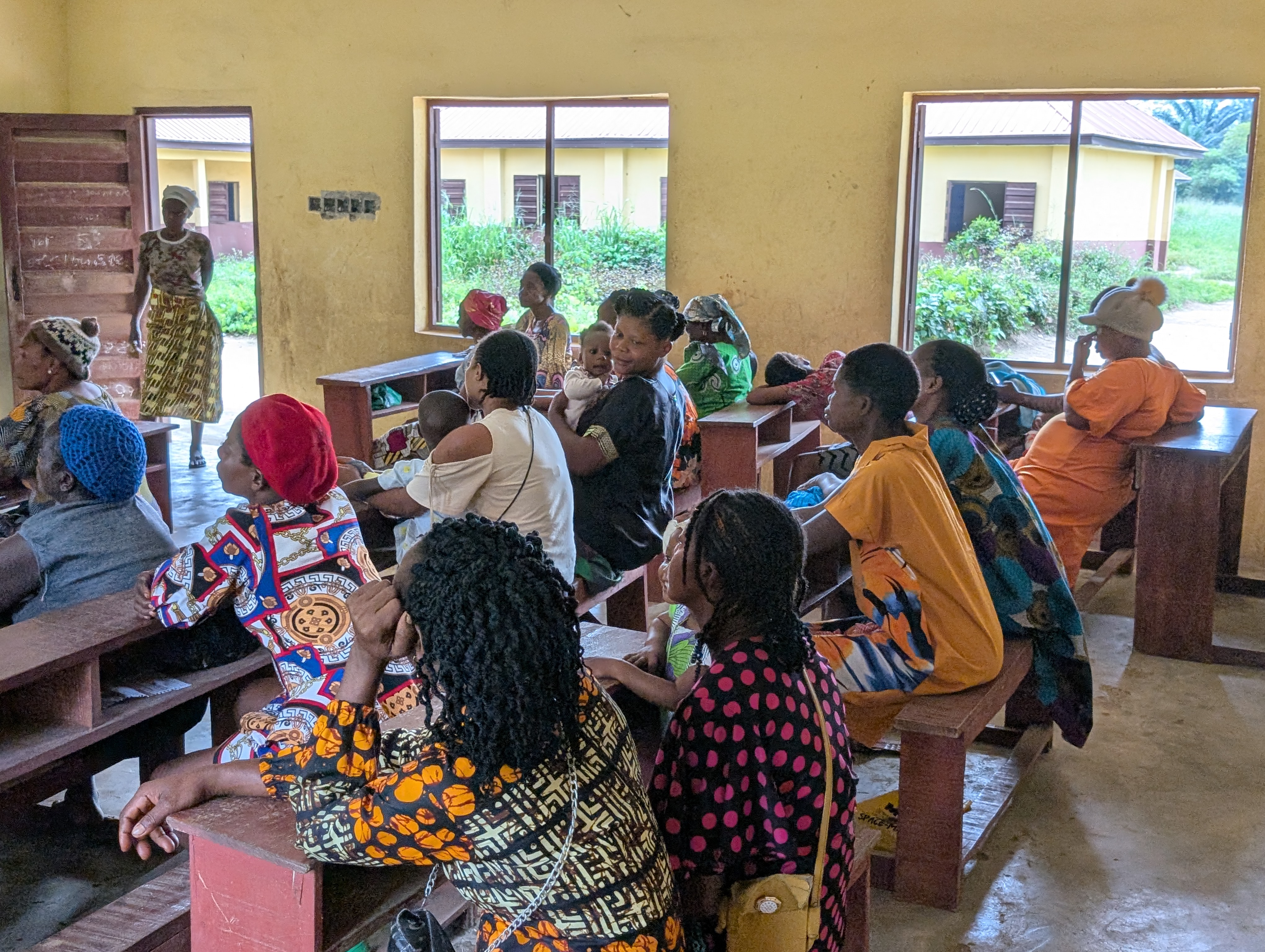
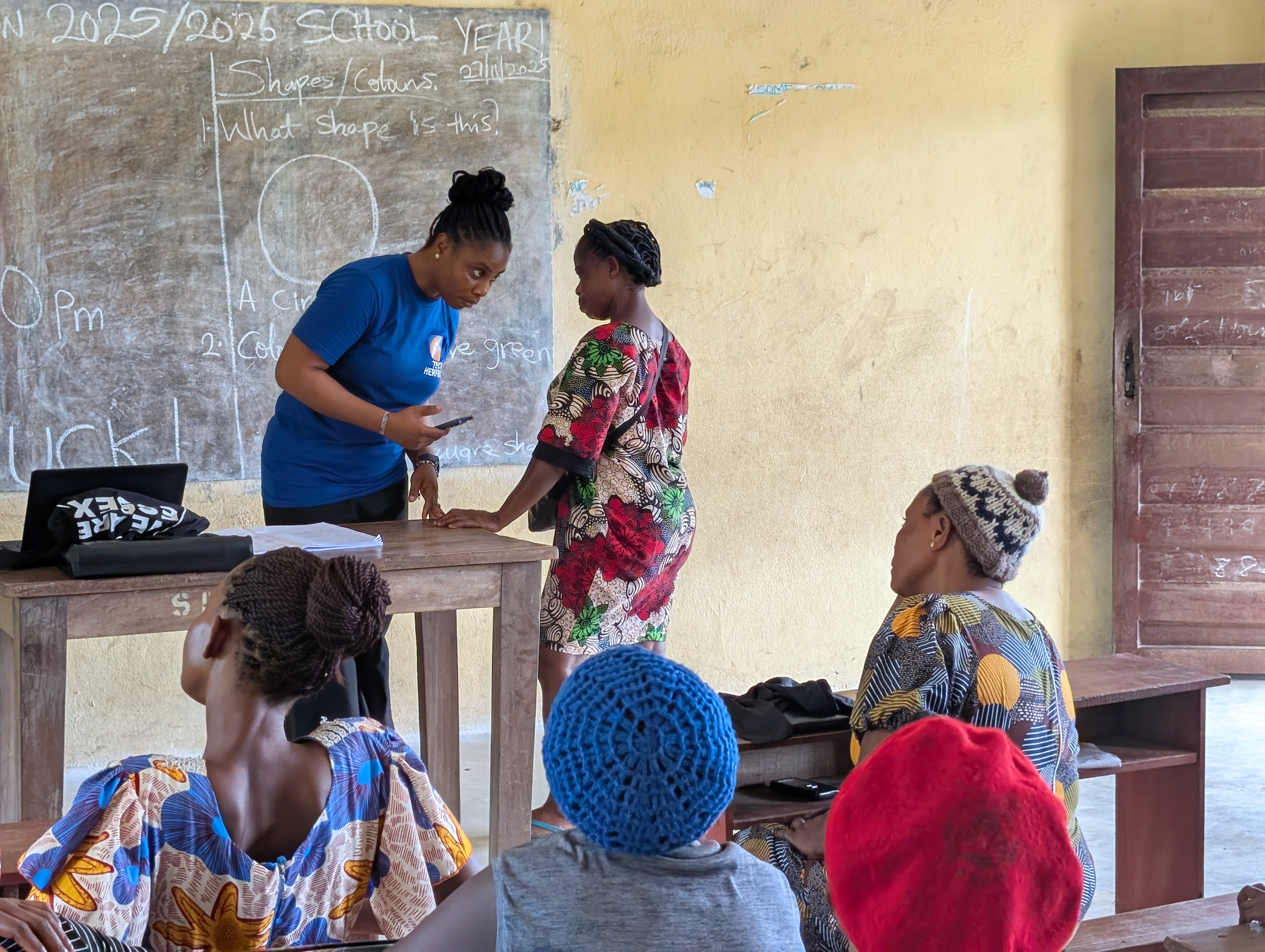
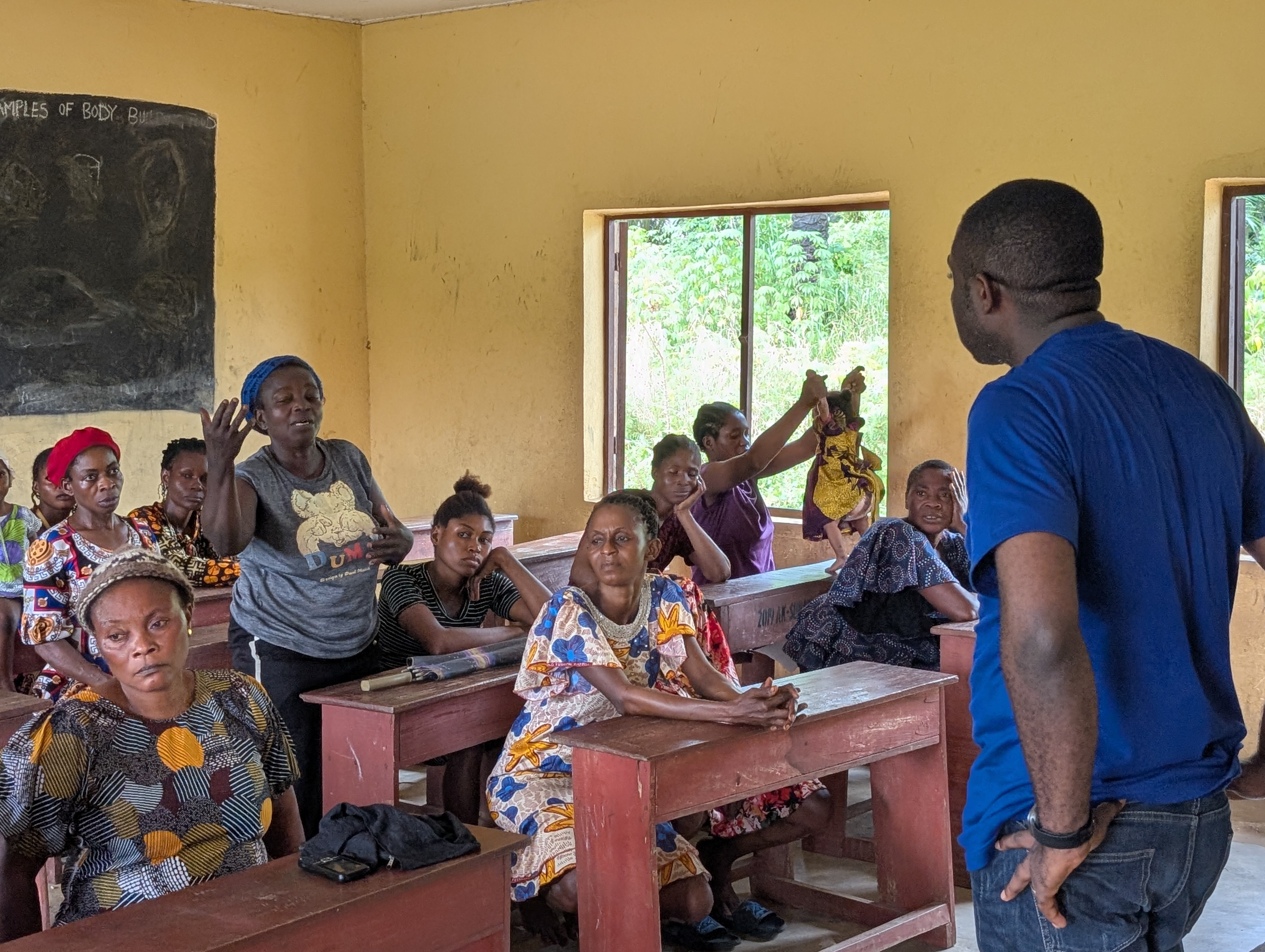
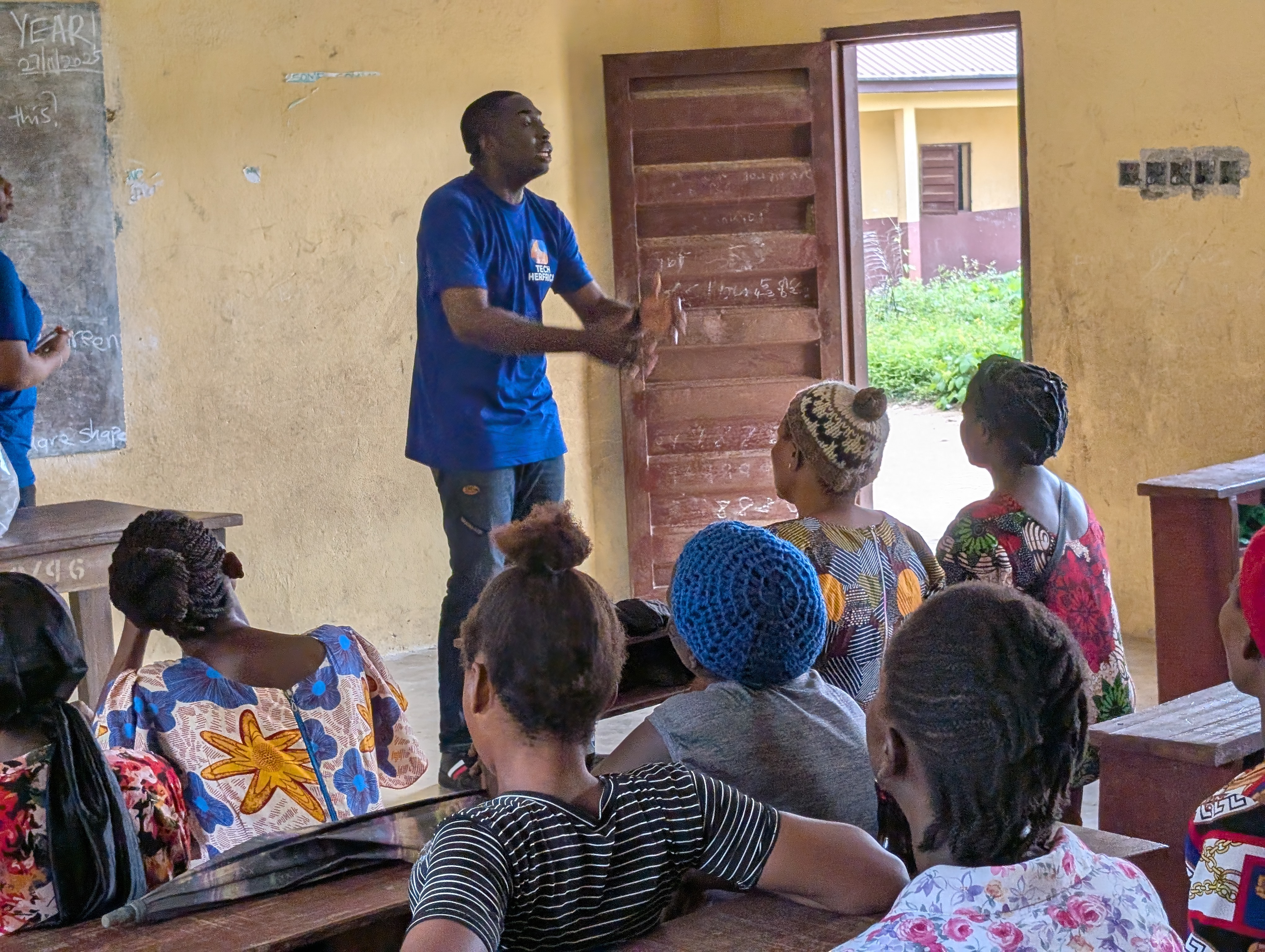
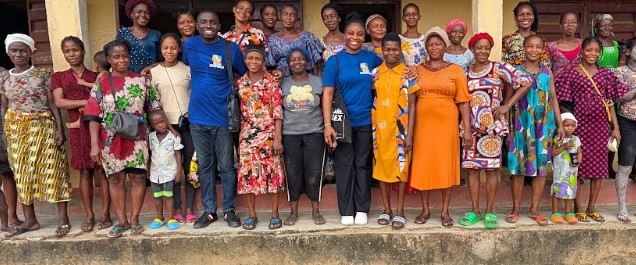
On 28 November 2025, Tech Herfrica successfully implemented a Digital and Financial Literacy Training Programme for Women Entrepreneurs in Ubetim Village, Akwa Ibom State, Nigeria. The initiative reached 27 women entrepreneurs, equipping them with essential digital skills, mobile technology usage, social media marketing knowledge, and basic financial management competencies required to thrive in today’s digital economy.
Delivered primarily in the Ibibio language, the training adopted a community-centred and participatory approach, ensuring inclusivity, comprehension, and practical application. The programme resulted in measurable improvements in digital confidence, business visibility, financial awareness, and economic empowerment, particularly among women operating in rural and underserved contexts.
2.0 Programme Objectives and Training Design
The programme was strategically designed to advance women’s digital inclusion and financial empowerment through the following core objectives:
2.1 Digital Empowerment
To enhance participants’ ability to:
- Use mobile phones confidently for communication and business transactions
- Leverage social media platforms to promote products and services
- Expand customer reach beyond local markets through digital tools
2.2 Financial Literacy and Business Sustainability
To introduce participants to:
- Basic budgeting techniques
- Saving culture and financial discipline
- Simple financial planning for micro and small businesses
2.3 Training Methodology
The training adopted a hands-on, experiential learning model, incorporating:
- Live demonstrations
- Guided practical sessions
- Interactive discussions
- Local-language facilitation to improve understanding and retention
3.0 Training Modules and Key Content Areas
3.1 Digital Literacy Fundamentals
Participants were trained on:
- Basic mobile phone operations
- Making and receiving calls
- Sending and reading SMS messages
3.2 Social Media for Business Growth
Practical sessions focused on:
- Creating and managing WhatsApp Business profiles
- Using Facebook for product promotion, customer engagement, and sales
- Understanding the role of images, messages, and consistency in online marketing
3.3 Introduction to Digital Marketing Platforms
Participants were introduced to:
- Instagram and X (formerly Twitter) as tools for expanding digital presence
- The concept of online branding and customer trust
3.4 Financial Literacy Essentials
Key financial topics included:
- Budgeting for household and business expenses
- Saving strategies for income stability
- Basic financial planning to support business growth
4.0 Outcomes and Measurable Impact
The programme recorded significant positive outcomes, including:
4.1 Improved Digital Skills
Participants demonstrated:
- Increased ability to operate mobile devices independently
- Practical competence in using social media platforms for business
4.2 Increased Confidence and Economic Participation
Women reported:
- Greater confidence in engaging customers digitally
- Willingness to explore new markets and business opportunities
4.3 Enhanced Financial Awareness
Participants showed:
- Improved understanding of budgeting and savings
- Increased awareness of separating personal and business finances
4.4 Women’s Empowerment and Social Impact
The training strengthened:
- Economic independence
- Decision-making confidence
- Community-level peer learning and collaboration
5.0 Key Success Factors
The success of the programme can be attributed to the following critical factors:
5.1 Local-Language Instruction
Delivering the training in Ibibio significantly enhanced participation, clarity, and trust.
5.2 Practical, Hands-On Learning
Real-time demonstrations and guided practice improved skills retention and real-world application.
5.3 Context-Specific Content
Training examples were tailored to participants’ local businesses, including trading, farming, and small-scale enterprises, ensuring immediate relevance.
6.0 Sustainability Strategy and Forward Plan
To ensure long-term impact and scalability, Tech Herfrica proposes the following sustainability actions:
6.1 Post-Training Follow-Up and Mentorship
- Periodic reinforcement sessions
- Continuous support to address challenges and track progress
6.2 Community Digital Access Point
- Exploration of a Digital Access Hub in Ubetim Village to provide:
- Internet access
- Ongoing digital learning opportunities
6.3 Peer Learning and Support Networks
- Formation of a participant-led support group to encourage:
- Knowledge sharing
- Collective problem-solving
- Sustained digital engagement
7.0 Conclusion
The Digital and Financial Literacy Training for Women Entrepreneurs in Ubetim Village successfully addressed critical gaps in digital inclusion, financial literacy, and women’s economic empowerment. The programme demonstrates the transformative potential of localized, language-inclusive, and community-driven digital skills interventions.
Tech Herfrica remains committed to scaling similar initiatives across rural communities in Nigeria, leveraging lessons learned to strengthen future programmes and contribute meaningfully to women-led economic development and inclusive digital transformation.