

Digital Skills and E-Commerce Training of Trainers in Sierra Leone
Strengthening Institutional Capacity to Support Women-Led Micro and Small Enterprises
Implemented by Tech Herfrica in collaboration with the Sierra Leone Chamber of Commerce and Industry and the Ministry of Trade and Industry
Aligned with ECOWAS Vision 2050
1.0 Overview
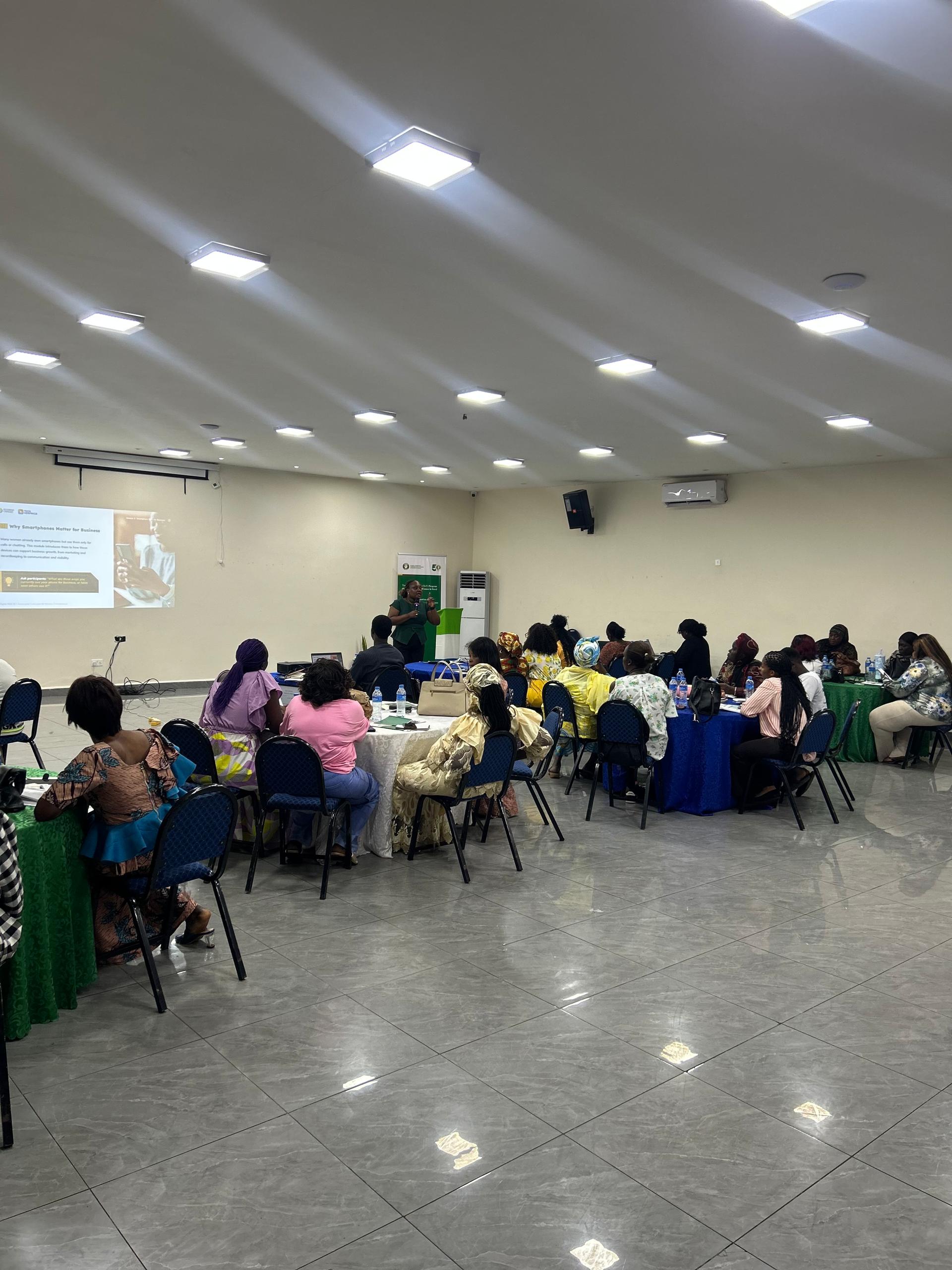
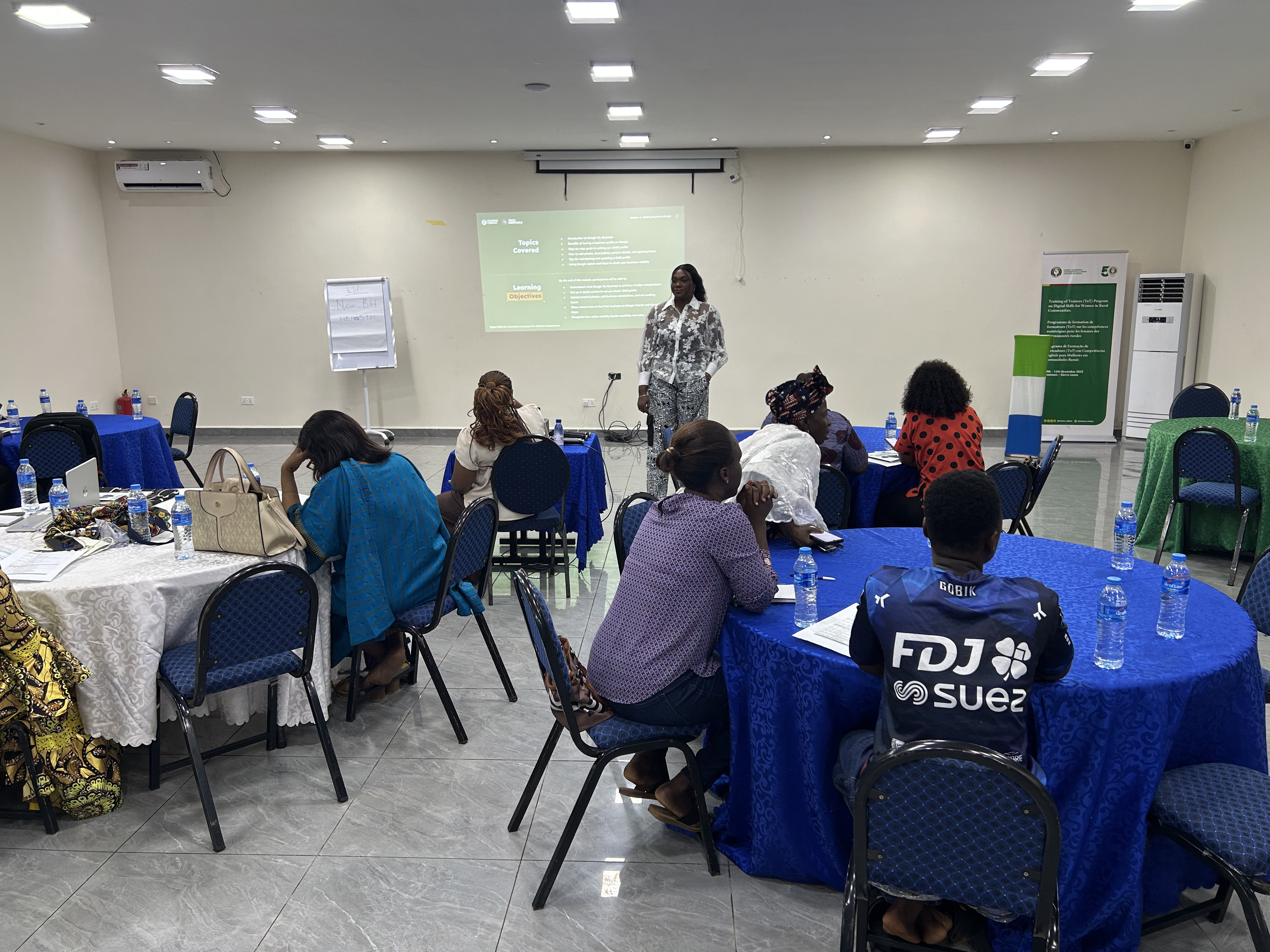
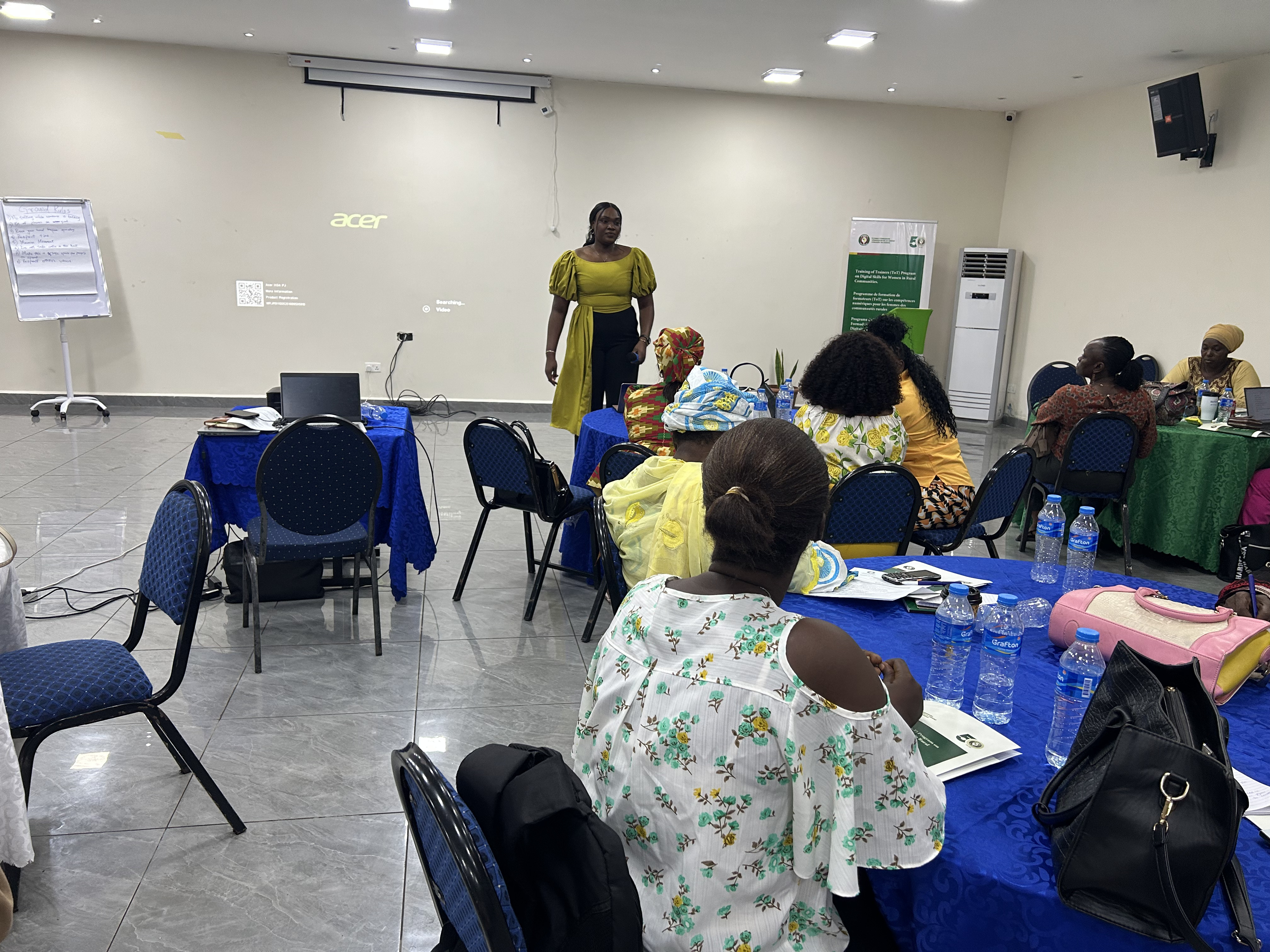
From December 10-12 2025, Tech Herfrica implemented a Digital Skills and E-Commerce Training of Trainers (ToT) in Sierra Leone to strengthen institutional capacity to support women-led micro and small enterprises through practical digital inclusion.
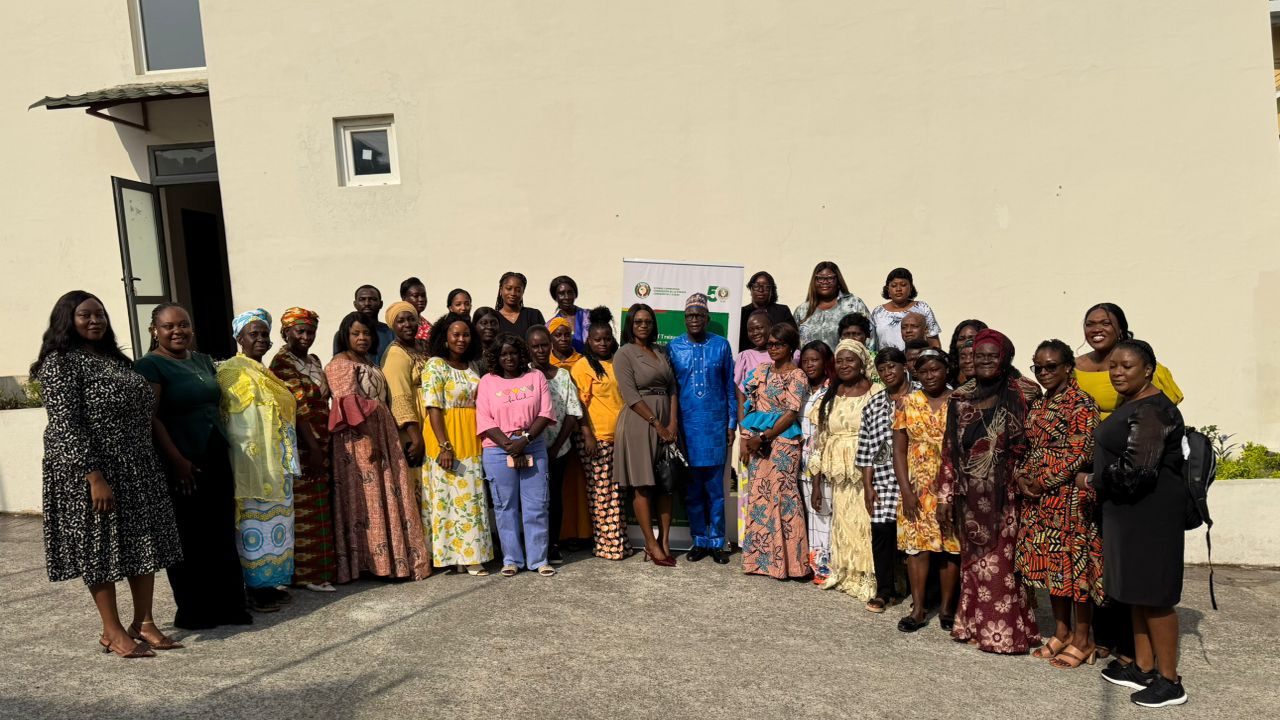
The training brought together 30 trainers from the Sierra Leone Chamber of Commerce and Industry and the Ministry of Trade and Industry. These trainers subsequently delivered hands-on digital skills sessions to 27 women entrepreneurs during a live practicum.
The intervention moved beyond awareness-based digital literacy to focus on applied, income-generating use of digital tools, particularly those accessible in low-resource and low-connectivity environments.
2.0 Strategic Context
The training was implemented within the framework of ECOWAS Vision 2050, which prioritizes inclusive economic growth, human capital development, gender equality, and digital transformation as drivers of regional integration.
Across West Africa, women entrepreneurs increasingly own mobile phones, yet many remain excluded from the economic benefits of digital tools due to:
- Limited confidence in using phones for business
- Lack of structured, low-literacy-friendly training
- Gaps between digital access and practical application
This programme responded directly to these challenges by strengthening institutional intermediaries that are positioned to cascade digital skills at scale.
3.0 Training Design and Delivery
Training Model
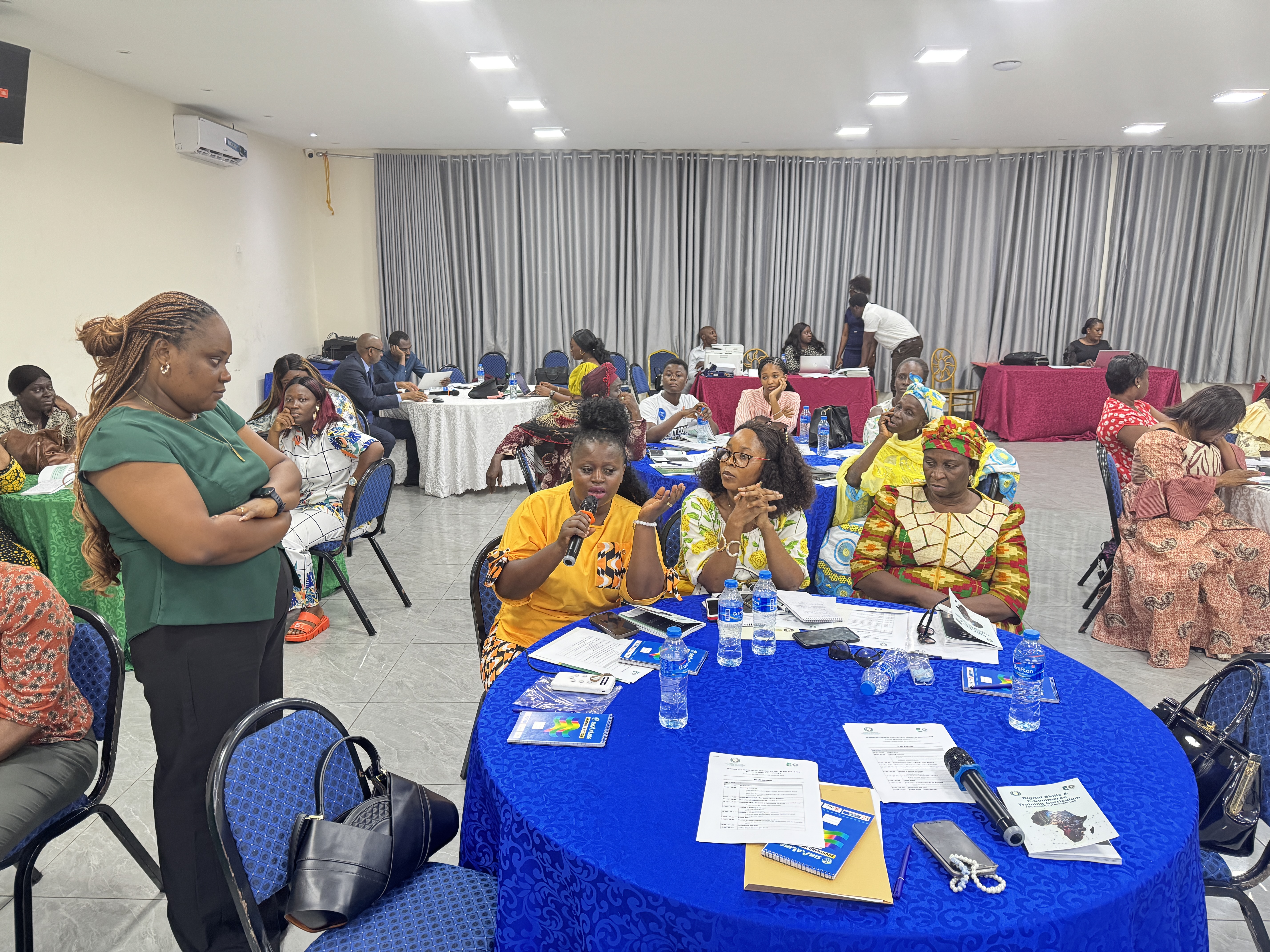
The programme adopted a Training-of-Trainers approach, combining:
- Structured instruction
- Live demonstrations
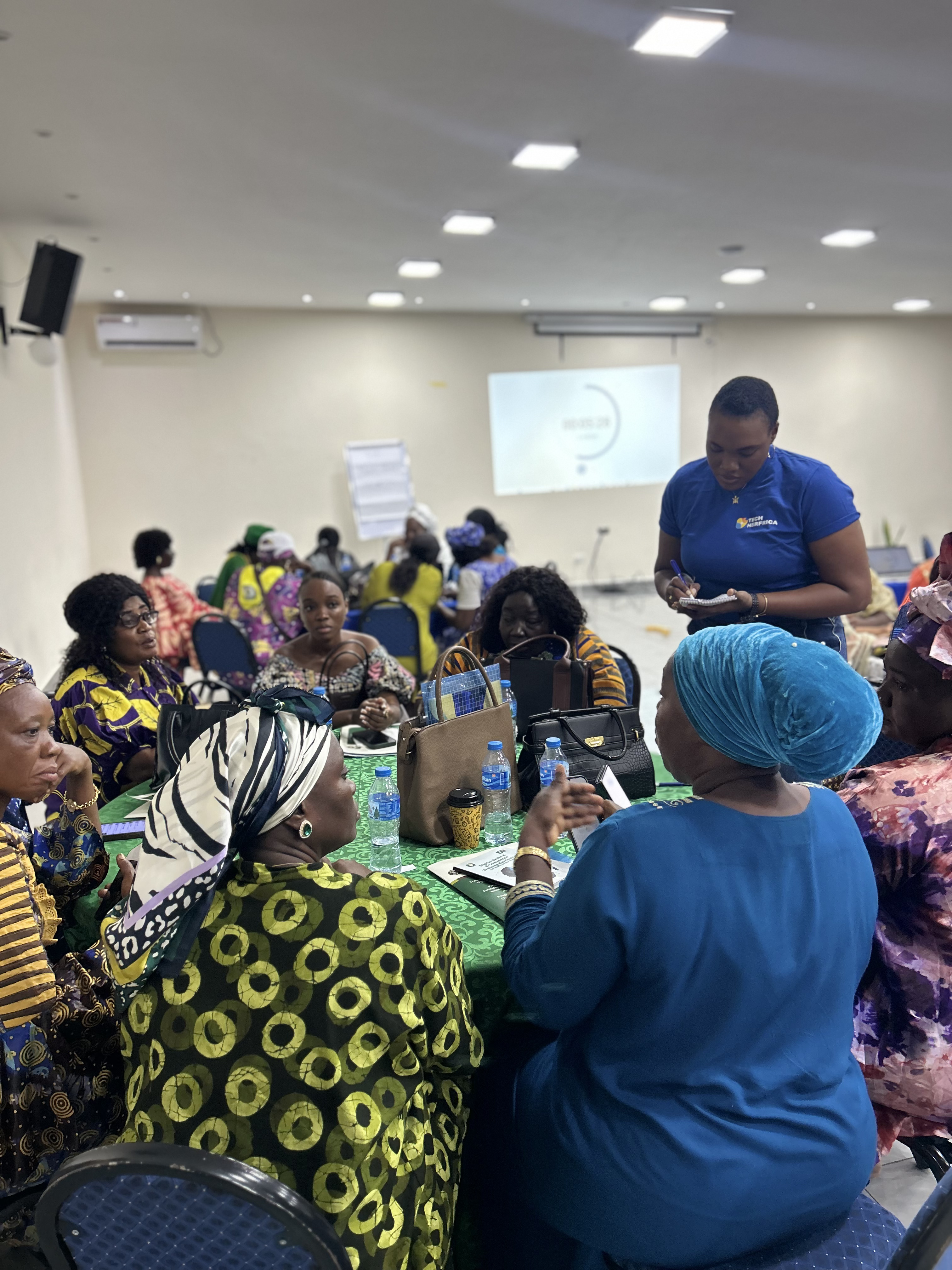
- Guided hands-on practice
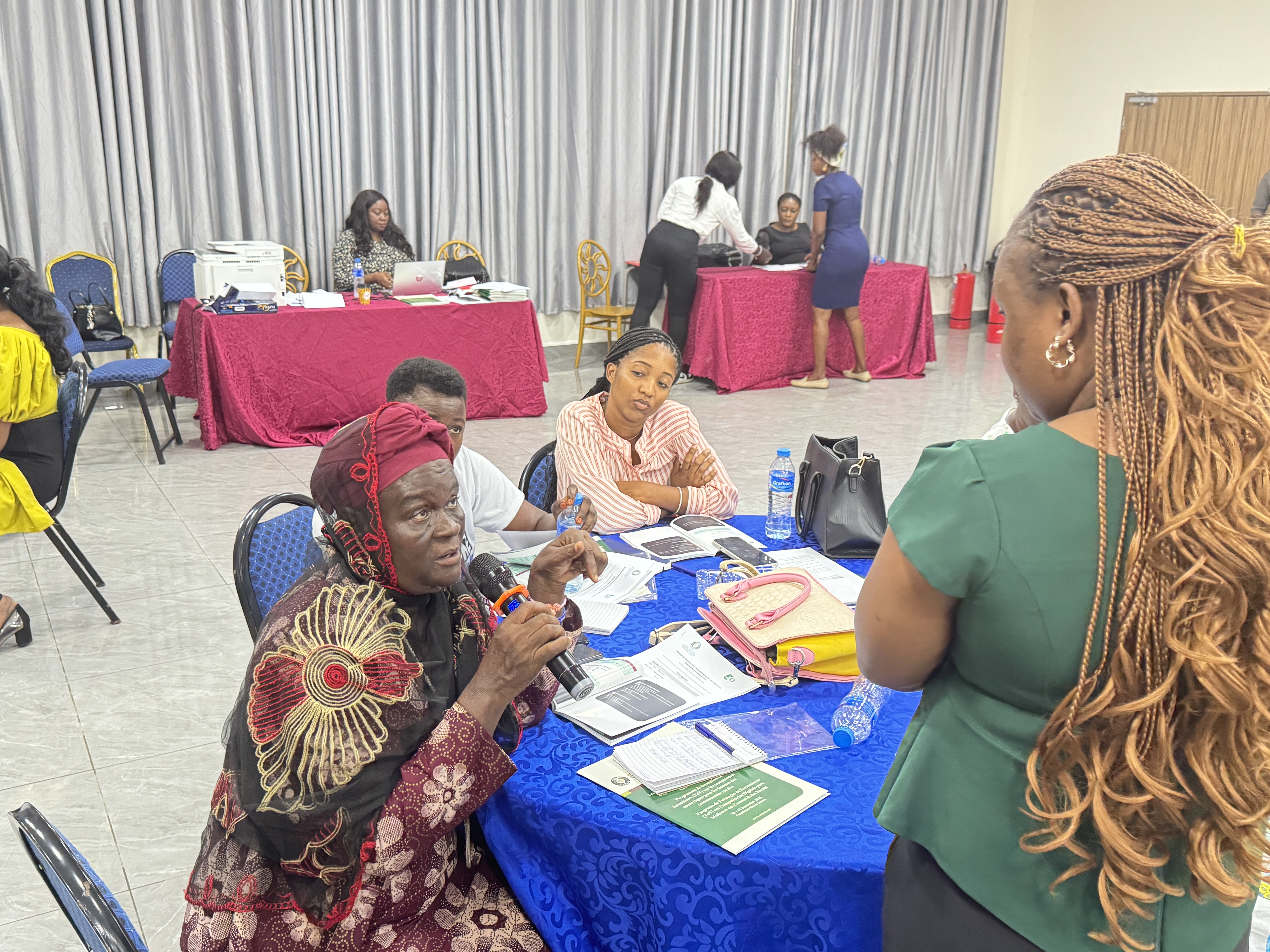
- A supervised trainer practicum with women entrepreneurs
Core Learning Areas
The curriculum focused on tools and skills most relevant to women’s everyday business realities, including:
- Smartphone use for business
- Getting found online using Google My Business
- Social media for business (WhatsApp, Facebook, Instagram)
- E-commerce platforms relevant to Sierra Leone
- Pricing for profit
- Mobile money and digital payments
Pedagogical Approach
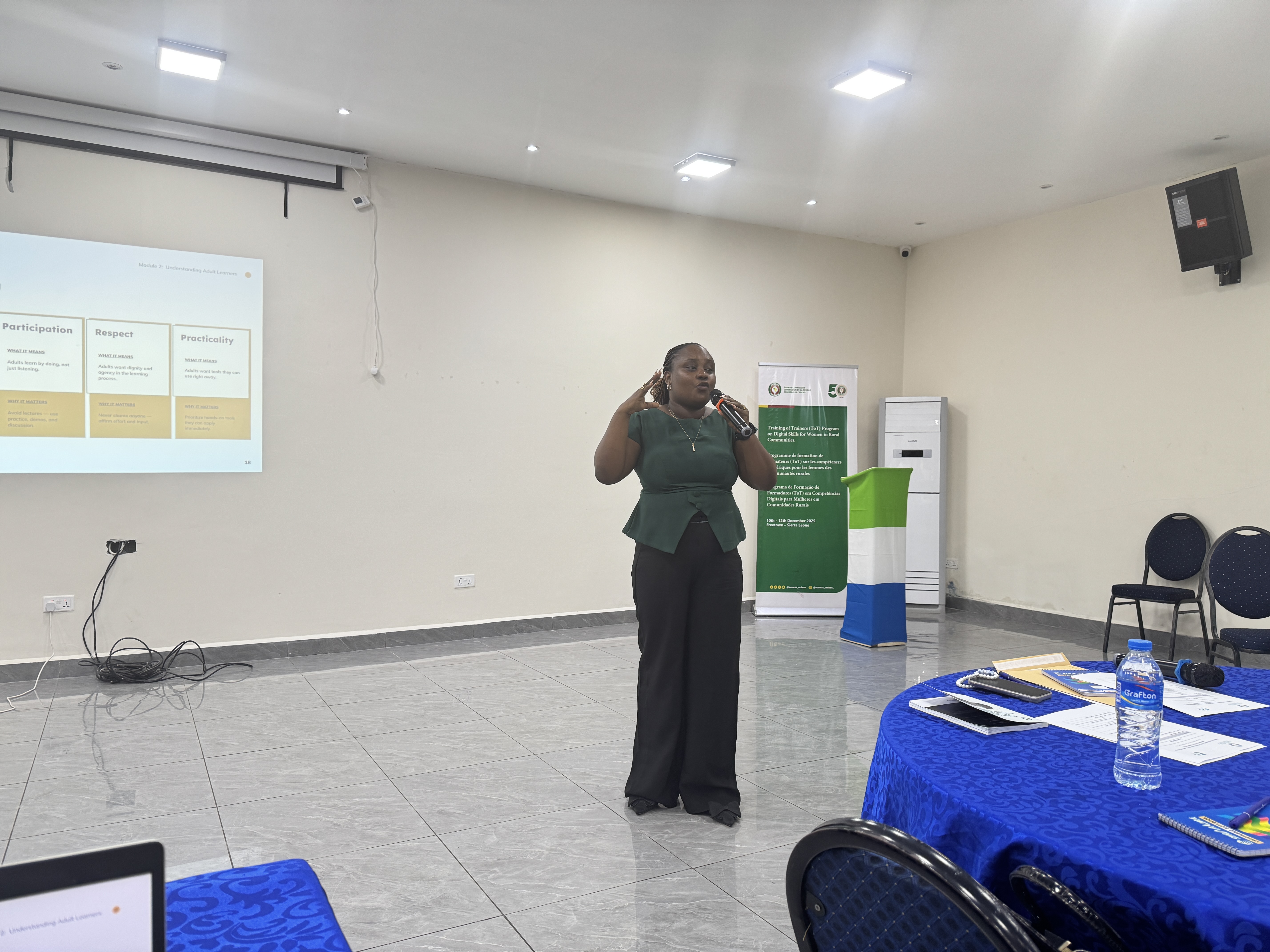
Training delivery was grounded in adult learning principles, emphasizing:
- Demonstration over theory
- Repetition and step-by-step instruction
- Visual learning and real-world examples
- Adaptation for low-literacy learners
4.0 Participant Profile
Trainers
The 30 trainers represented a mix of institutional backgrounds, including trade officers, SME support staff, and programme officers. Digital experience levels varied widely, reflecting the realities trainers face when working across diverse communities.
Women Entrepreneurs
The 27 women entrepreneurs engaged during the practicum were primarily micro and small-scale traders operating in informal and semi-formal markets. Most used mobile phones for communication but had limited exposure to structured digital business tools.
5.0 Monitoring and Learning Approach
Learning outcomes were assessed using a mixed-methods approach, including:
- Digital pre- and post-training assessments
- Daily feedback from women participants
- Facilitator observation of trainer practicum sessions
All tools were administered digitally using Google Forms, enabling real-time aggregation and analysis while remaining accessible to participants.
6.0 Key Findings
Trainer Outcomes
Post-training results showed clear improvement in trainers’ ability to:
- Demonstrate digital tools clearly and confidently
- Break down complex processes into teachable steps
- Facilitate participatory, practice-based sessions
- Teach women with varying literacy and confidence levels
The practicum revealed that trainers gained confidence most strongly when teaching live rather than through simulated exercises.
Women Entrepreneur Outcomes
Although women participated only on the final day, facilitator observations and feedback indicated:
- Increased confidence in using phones for income-related activities
- Strong engagement with mobile money and digital payments
- High appreciation for slow pacing, repetition, and visual demonstration
Social commerce and mobile money emerged as the most accessible and trusted entry points into digital business for women in both semi-urban and rural contexts.
7.0 Trainer Practicum Insights
The practicum, conducted in line with ECOWAS programme requirements, served as a real-world test of training effectiveness.
Strengths observed included:
- Practical, demonstration-led teaching
- Use of local language and familiar examples
- Increased trainer confidence and presence
Areas for further strengthening included:
- Time management during multi-step demonstrations
- Simplifying explanations without losing accuracy
Overall, the practicum confirmed strong readiness for cascade delivery, while highlighting the value of continued mentoring.
8.0 Early Outcomes and Significance
The training generated immediate outcomes at both individual and institutional levels:
- Trainers demonstrated readiness to cascade skills within their networks
- Women entrepreneurs showed increased willingness to apply digital tools
- Institutional participation positioned the curriculum for future replication
While longer-term impact will require follow-up, early signals indicate strong alignment with regional objectives around SME development, women’s economic empowerment, and digital inclusion.
9.0 Lessons Learned
Key lessons from implementation include:
- Demonstration outperforms explanation in digital skills training
- Simplicity is essential for cascaded delivery models
- Local examples strengthen comprehension and confidence
- Digital confidence is as critical as technical skill
- Flexibility is necessary in low-resource training environments
These lessons reinforce the importance of pairing digital skills content with facilitation capacity.
10.0 Strategic Relevance and Way Forward
This intervention demonstrates that practice-driven digital skills training, delivered through institutional actors, can meaningfully strengthen women’s participation in the digital economy.
The curriculum and delivery model are adaptable for replication across other ECOWAS Member States, with minor contextual adjustments. Future iterations would benefit from:
- Structured post-training follow-up
- Continued support for trainer-led cascading
- Outcome-level tracking of women’s digital business use
11.0 Conclusion
The Digital Skills and E-Commerce Training of Trainers in Sierra Leone shows that digital inclusion is not simply about access to technology, but about usable skills, confidence, and delivery capacity.
By strengthening institutions already embedded within business ecosystems and grounding learning in real-world practice, the programme offers a credible, scalable model aligned with ECOWAS Vision 2050 and regional commitments to inclusive economic transformation.